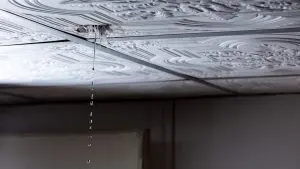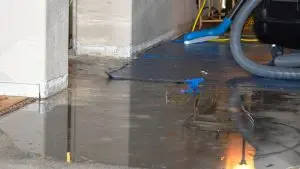

When most people think of water damage, they picture an obvious flood or a dripping ceiling. Yet some of the most destructive water damage is the kind you never see. Hidden water damage develops quietly behind walls, where moisture soaks into framing, insulation, and drywall long before any sign reaches the surface. By the time the problem becomes visible, it has often grown into something far more serious and expensive than a simple leak.
This makes hidden water damage more dangerous than the visible kind. In Connecticut homes, it commonly stems from aging plumbing, roof leaks, faulty windows, and everyday appliances, all of which can release moisture into concealed spaces. The key to protecting your home is early detection.
Knowing what to watch for allows you to catch trouble before it spreads. At Access Restoration, we help Middletown, CT homeowners find and resolve hidden moisture before it becomes a costly repair.
What Causes Hidden Water Damage?
1. Leaking Plumbing Pipes
The pipes running through your walls are a leading source of hidden water damage. Over time, joints loosen, connections corrode, and pipes develop small cracks that release water slowly and silently.
Because this happens out of sight, a plumbing leak can dampen building materials for weeks before anyone notices.
2. Roof Leaks
A compromised roof allows rainwater to enter the home and travel down through the structure. The water often spreads far from the actual entry point, soaking into wall cavities and ceilings along the way. In Connecticut, heavy rain, snow, and ice all test the integrity of a roof.
3. Faulty Windows and Doors
Gaps and failed seals around windows and doors let moisture seep into the surrounding walls. This intrusion is easy to miss, since the water enters at the edges and works its way into the structure rather than pooling where you can see it.
4. HVAC Condensation
Heating and cooling systems produce condensation, and when drain lines clog or components fail, that moisture can accumulate inside walls and ceilings. This steady dampness creates ideal conditions for mold and decay in spaces that are rarely inspected.
5. Appliance Leaks
Dishwashers, washing machines, refrigerators, and water heaters connect to supply lines that can leak behind cabinets and walls. A slow drip from one of these connections can persist unnoticed, quietly saturating the materials around it.
Warning Signs of Water Damage Behind Walls
1. Peeling Paint or Wallpaper
When moisture builds up behind a wall, it pushes against the surface and causes paint or wallpaper to peel, bubble, or crack. Any unexplained change in your wall finish is worth investigating.
2. Musty Odors
A persistent musty or earthy smell is one of the clearest signs of hidden moisture. That odor usually means mold is growing somewhere out of sight, feeding on damp materials inside the wall.
3. Soft or Warped Drywall
Drywall that feels soft, spongy, or looks warped has absorbed water. This is a strong indication that moisture is present behind the surface and has been there long enough to weaken the material.
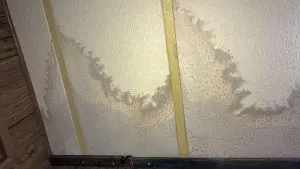
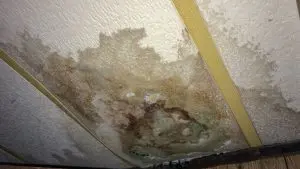
4. Water Stains
Yellow, brown, or copper colored stains on walls and ceilings reveal where water has traveled. Even a faint stain points to an active or past leak that deserves attention.
5. Increased Utility Bills
A hidden plumbing leak wastes water continuously, and that waste shows up on your bill. An unexplained increase in water usage is often the first measurable sign of a concealed leak.
6. Mold Growth
Visible mold, even a small patch, signals that moisture has been present for a while. Mold near baseboards, outlets, or wall seams frequently indicates a larger problem hidden within the wall.
Risks of Ignoring Hidden Water Damage
1. Structural Damage
Left unaddressed, moisture rots wood framing, weakens subfloors, and deteriorates drywall. Over time, this compromises the structural integrity of your home and leads to repairs far more extensive than the original leak.
2. Mold Infestations
Hidden moisture is the perfect breeding ground for mold, which can begin growing within 24 to 48 hours. Inside a wall, mold spreads undisturbed, sometimes affecting large areas before it is discovered.
3. Electrical Hazards
Water that reaches wiring, outlets, or junction boxes inside walls creates a serious risk of short circuits and fire. This is one of the most dangerous consequences of ignoring hidden water damage.
4. Reduced Indoor Air Quality
As mold grows behind walls, it releases spores into the air you breathe. This can reduce indoor air quality and contribute to allergies, respiratory irritation, and other health concerns for everyone in the home.
How Professionals Detect Hidden Moisture
Moisture Meters
Restoration professionals use moisture meters to measure the moisture content of building materials. These tools provide precise readings that reveal dampness invisible to the naked eye, guiding the team to the source.
Thermal Imaging Cameras
Thermal imaging cameras detect the temperature differences that wet areas create, allowing technicians to locate moisture behind walls and ceilings without cutting into them. This makes detection both accurate and minimally invasive.
Humidity Testing
Measuring indoor humidity helps professionals understand the overall moisture conditions in your home. Elevated humidity can point to a hidden water source and signals an environment where mold can thrive.
Comprehensive Property Inspection
Beyond individual tools, a thorough inspection ties everything together. Experienced technicians examine plumbing, roofing, appliances, and vulnerable areas to identify the true source and full extent of the moisture, ensuring nothing is missed.
Preventing Hidden Water Damage
Routine Plumbing Inspections
Scheduling regular plumbing inspections helps catch small leaks before they cause damage. A professional can spot corrosion, loose fittings, and aging pipes that are likely to fail.
Roof Maintenance
Keeping your roof in good repair blocks one of the most common paths for hidden water. Inspect for damaged shingles and worn flashing, especially after Connecticut’s storms and winter weather.
Appliance Maintenance
Check the supply lines and connections on your dishwasher, washing machine, refrigerator, and water heater periodically. Replacing worn hoses before they fail prevents many hidden leaks.
Prompt Leak Repairs
Whenever you notice a sign of moisture, act immediately. Addressing a small leak right away is far cheaper and easier than repairing the widespread damage that develops when water is left to spread.
Conclusion
Hidden water damage behind walls is a quiet threat that can cause serious structural harm, mold, electrical hazards, and poor air quality before you ever realize there is a problem. The best protection is awareness.
By recognizing the warning signs, from peeling paint and musty odors to soft drywall and rising water bills, you can catch moisture early and spare yourself a costly repair. Regular maintenance and prompt attention to leaks keep your home dry and healthy.
Frequently Asked Questions
How can I tell if water is behind my walls?
Watch for peeling paint or wallpaper, soft or warped drywall, water stains, a persistent musty odor, and visible mold near baseboards or outlets. An unexplained increase in your water bill is another common clue.
If you notice any of these signs, a professional inspection with moisture meters and thermal imaging can confirm whether water is present.
Can hidden water damage cause mold?
Yes. Hidden moisture creates ideal conditions for mold, which can begin growing within 24 to 48 hours. Because the growth happens inside walls and out of sight, it often spreads significantly before it is discovered, which is why early detection and prompt drying are so important.
Is hidden water damage covered by insurance?
It depends on your policy and the cause. Many policies cover sudden and accidental water damage but exclude damage from long term, unaddressed leaks or lack of maintenance. Documenting the damage and acting quickly improves your chances of a successful claim, and our team can help you coordinate with your insurer.
How do professionals find hidden leaks?
Restoration professionals use moisture meters, thermal imaging cameras, and humidity testing to locate water behind walls and ceilings without unnecessary demolition.
Combined with a comprehensive inspection of plumbing, roofing, and appliances, these tools pinpoint both the source and the full extent of the moisture.
When should I call a restoration company?
Call as soon as you notice any sign of hidden water damage, including stains, musty odors, soft walls, or a rising water bill. The sooner moisture is found and removed, the less damage occurs and the lower your repair costs will be. Early action also helps prevent mold and structural problems.
Schedule a Professional Water Damage Inspection With Access Restoration
If you suspect moisture is hiding behind your walls, do not wait for the damage to reveal itself. Access Restoration & Cleaning provides professional Water Damage Restoration and moisture detection for homeowners in Middletown and throughout Connecticut.
Our IICRC certified team uses moisture meters, thermal imaging, and thorough inspections to find hidden water before it becomes a major problem, then dries and restores the affected areas completely.
We also provide expert Mold Remediation when growth is already present. Protect your home and your family by acting early. Call Access Restoration or request a free estimate to schedule your inspection today.