
The average water damage restoration process in Middletown properties takes between three to five days for the drying phase, followed by one to two weeks for structural repairs and reconstruction. While a minor leak on a non-porous surface might be resolved in 48 hours, complex flooding involving saturated drywall, hardwood floors, or sewage requires a more extensive water damage restoration in Middletown schedule. The timeline is primarily dictated by the “dry standard” of the materials and the environmental humidity levels in the Hudson Valley. Acting immediately is the most effective way to shorten this duration, as every hour water remains in contact with building materials increases the depth of penetration and the likelihood of secondary damage like mold or structural rot.
How long does it take for a house to dry out after water damage?
A house typically takes 72 to 120 hours to dry out completely when using professional-grade industrial equipment. This timeframe involves moving air across wet surfaces and using dehumidification to pull moisture out of the air and the structural “bones” of the property. In Middletown, variables such as the seasonal humidity near the Wallkill River or the specific building materials in historic downtown homes can influence exactly how long the moisture remains trapped.
The drying process is not considered finished until moisture meters confirm that the materials have returned to their pre-loss condition. Simply feeling the surface with your hand is not an accurate way to judge dryness, as moisture often hides behind baseboards or inside wall cavities. If you are concerned about the current moisture levels in your home and need an expert assessment of your professional restoration schedule, reaching out to a local specialist is essential to ensure your property is being dried to industry standards.
What factors influence the restoration timeline Middletown residents face?
The restoration timeline Middletown homeowners experience is influenced by the volume of water, the category of contamination, and the porosity of the affected materials. Category 1 water (clean water from a pipe) is the fastest to dry because it requires less intensive sanitization. In contrast, Category 3 water (sewage or rising floodwater) requires a lengthy decontamination phase before the drying equipment can even be placed, which naturally extends the project duration.
Materials like concrete and hardwood are “low-evaporation” materials, meaning they release moisture much slower than drywall or carpet. If your home in the Presidential Heights area has custom wood flooring, the drying phase must be managed carefully to prevent warping, which can add several days to the process. Furthermore, the accessibility of the damaged area, such as a cramped crawl space or an attic, can slow down the setup of air movers and dehumidifiers.
- Category of Water: Clean water dries faster; sewage requires a cleaning delay.
- Material Density: Drywall dries in days; hardwood and concrete may take over a week.
- Relative Humidity: High outdoor humidity in the Hudson Valley can slow evaporation.
- Volume of Water: Standing water must be extracted before the drying clock begins.
Understanding the professional drying & dehumidification duration
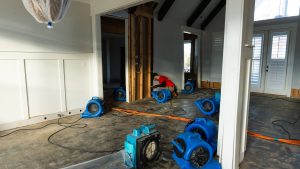
The drying & dehumidification duration is a science-based process that involves balancing airflow, temperature, and balanced humidity. Professionals use axial air movers to create high-velocity airflow that “peels” moisture off the surface of materials. Simultaneously, LGR (Low Grain Refrigerant) dehumidifiers work to keep the air dry enough to continue pulling moisture out of deep structural supports.
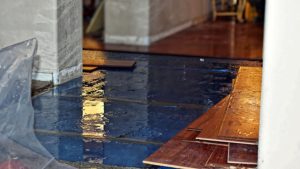
In neighborhoods like Highland Avenue, many homes feature older construction techniques that may require “targeted” drying. This involves using specialized mats for hardwood floors or “injection” systems that force air into wall cavities without removing the drywall. These advanced techniques are designed to shorten the overall restoration timeline by preserving as much of the original structure as possible, reducing the time needed for the reconstruction phase.
The Extraction Phase
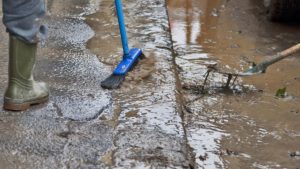
Before the drying equipment starts, all standing water must be removed. This usually takes a few hours using truck-mounted extraction units, but it is the most critical step in preventing the water from migrating further into unaffected rooms.
Daily Monitoring and Adjustments
Restoration technicians visit the property daily to take psychrometric readings. They adjust the position of fans and the settings on dehumidifiers based on how the materials are responding, ensuring the fastest possible path to a dry home.
How long does the reconstruction phase take after drying?
Once the property is certified dry, the reconstruction phase can begin, which typically takes anywhere from five days to three weeks. This phase includes hanging new drywall, painting, installing new flooring, and replacing any cabinetry that could not be saved. In the Middletown business district, commercial property owners may face longer timelines if specialized materials or large-scale structural repairs are required to meet local building codes.
The speed of reconstruction often depends on the availability of materials and the complexity of the finishes. If your restoration involves matching historic trim or custom cabinetry, the lead times for these items will dictate the final completion date. Working with a team that manages both the mitigation and the reconstruction can often shave days off the schedule by ensuring a seamless transition between the drying crew and the repair contractors.
| Restoration Stage | Estimated Duration | Primary Goal |
| Emergency Extraction | 2 – 6 Hours | Remove standing water and stop the leak. |
| Professional Drying | 3 – 5 Days | Reach the “dry standard” for all materials. |
| Sanitization | 1 – 2 Days | Neutralize bacteria and prevent mold growth. |
| Structural Repairs | 5 – 14 Days | Replace drywall, flooring, and paint. |
| Final Inspection | 1 Day | Verify all repairs meet safety and aesthetic standards. |
Dealing with insurance during the restoration process
The time it takes to settle an insurance claim can also impact your overall timeline. Most insurance adjusters in the Middletown area respond quickly to water damage because they know it is a progressive loss. However, delays can occur if the documentation provided is incomplete or if there is a dispute over the scope of the repairs. Providing thermal imaging reports and moisture logs is the best way to keep the process moving forward.
Many homeowners find that having a professional restoration partner who can speak the “language” of insurance adjusters helps prevent these delays. A detailed estimate that clearly outlines the necessity of each air mover and the specific materials being replaced can lead to faster approvals. If you are currently navigating a claim and need professional documentation to support your case, you should seek out a team that can assist with the technical reporting requirements.
Frequently Asked Questions
Can I speed up the drying process by turning up the heat?
Not necessarily. While warm air holds more moisture, excessive heat can damage some materials or actually encourage mold growth if the humidity is not being properly managed by a dehumidifier. Professionals use a specific “balanced” temperature to maximize evaporation safely.
Why is my restoration taking longer than my neighbor’s did?
No two water losses are identical. Even if the amount of water was the same, differences in flooring types (carpet vs. tile), the age of the home near SUNY Orange, and whether the water stayed in the home for 2 hours or 20 hours will create different timelines.
Do I have to wait for the insurance check to start the work?
In emergency water damage situations, work should begin immediately to prevent secondary damage like mold. Most reputable restoration companies will start the mitigation phase while the insurance claim is being processed to protect the property from further loss.
What happens if mold is found during the restoration?
If mold is discovered, the restoration timeline will likely increase by three to seven days. The area must be contained, and specialized HEPA filtration and remediation protocols must be followed to ensure the spores do not spread to the rest of the house.
How do I know when the restoration is officially done?
The process is complete when three conditions are met: the materials are at the dry standard, the air quality is tested and safe, and all structural repairs have been finished to your satisfaction. A final walkthrough with your project manager will confirm these details.
Conclusion
Understanding the expected timeline for water damage restoration in Middletown allows you to plan your life during a disruptive event. While the initial drying phase is relatively quick, the full journey from a flooded room to a fully restored home requires patience and professional precision. By responding within the first 24 hours and using industrial-grade equipment, you can ensure that your property is restored as quickly and safely as possible.
Access Restoration is committed to providing Middletown residents with efficient and transparent restoration services. As a trusted local service provider, the team understands the stress of a property disaster and works tirelessly to minimize the time you spend out of your home or business. If you are facing a water emergency and need a reliable schedule for recovery, you should contact us to receive a professional assessment and a clear roadmap for restoring your property to its original condition.