
Water damage can strike with little warning, whether from a winter freeze, a sudden storm, or a hidden plumbing issue. If you’re a homeowner in Meriden, understanding these risks can help you protect your property before costly repairs are needed. This guide breaks down the most common sources of damage and provides insights for anyone searching for water damage restoration Meriden services.
What Causes Water Damage in Meriden Homes?
Burst Pipes and Plumbing Failures
One of the leading causes of water damage in Meriden is burst pipes. Older plumbing systems, exposure to freezing temperatures, and pressure changes can cause pipes to crack or rupture. When this happens, water can quickly flood walls, ceilings, and floors. Many homes in Meriden experience freezing conditions during winter, increasing the likelihood of burst pipes Meriden incidents. Even a small leak can escalate into major damage if not caught early, especially within walls or crawlspaces.
Basement Flooding and Groundwater Intrusion
Basement flooding Meriden CT is another common issue affecting homeowners, especially in low-lying neighborhoods or areas near water sources. Heavy rainfall or melting snow can oversaturate the soil around foundations. When hydrostatic pressure builds up, water is pushed through even the smallest cracks in basement walls and floors. Flooded basements can damage electrical systems, flooring, insulation, and personal belongings. Homes with older foundations or insufficient waterproofing are at the highest risk.
Storm-Driven Water Intrusion and Exterior Failures
Storm-driven water intrusion Meriden often results from roof weaknesses, damaged shingles, broken flashing, or clogged gutters. When heavy wind and rain hit, water may seep into attics, walls, or crawlspaces. If the exterior siding is compromised or if windows and doors are improperly sealed, water can easily enter. Severe storms can also overwhelm drainage systems, pushing water toward the home instead of away from it. Once inside, moisture can spread into hidden spaces and lead to mold growth.
Appliance Failures and Household Leaks
Water-using appliances like water heaters, washing machines, dishwashers, and air conditioning units can leak unexpectedly. Over time, hoses wear out, seals degrade, and drain lines become clogged. A ruptured water heater tank or faulty washing machine hose can release gallons of water within minutes. Because these appliances are usually located in basements, laundry rooms, or utility areas, leaks often go unnoticed until significant damage has occurred.
Clogged Drains, Sewer Backups, and Poor Drainage
Clogged drains and sewer backups are hazardous sources of water damage. During heavy storms, municipal sewer systems can become overwhelmed, causing contaminated water to back up into homes. Poor exterior drainage, improper soil grading, or clogged gutters can also redirect water toward the foundation. If water pools around the structure, it can seep inside and cause ongoing moisture issues. Regular drain clearing and gutter maintenance can help prevent this type of intrusion.
Why Meriden Homes Are at Higher Risk
Meriden’s climate contributes to increased water damage risks. Winters bring freezing temperatures that can freeze and burst plumbing lines. Spring thaws and heavy summer rainstorms increase groundwater pressure. Many homes in the area also have aging roofing and plumbing systems, making leaks more likely. Additionally, Meriden’s proximity to rivers and varying elevation levels creates pockets of flood-prone areas that are vulnerable during storms.
What Are the Signs of Water Damage in a Home?
Water damage often begins subtly. Discoloration or stains on ceilings and walls may indicate a slow leak. Musty odors are common signs of mold or dampness. Warped floors, peeling paint, bubbling drywall, or soft spots underfoot can result from long-term water exposure. If you notice sudden increases in your water bill, you may have an active yet hidden leak in your plumbing system.
Preventive Measures for Meriden Homeowners
Routine Plumbing and Appliance Checks
Inspect your home’s plumbing annually. Look for corrosion, loose fittings, or aging pipes. Insulate exposed pipes to prevent freezing. Replace old appliance hoses with stronger materials and check connections regularly. Simple preventive steps can stop major issues before they start.
Roof and Exterior Maintenance
Inspect roofs for missing shingles, broken flashing, or soft spots. Clean gutters regularly to ensure water flows away from the home. Seal cracks in exterior siding and repair any damaged window or door frames. Ensuring proper drainage helps protect your foundation from seepage.
Basement and Foundation Protection
Homes with basements should have functioning sump pumps and clear floor drains. Waterproof coatings can help protect basement walls from moisture intrusion. Ensuring proper grading around your home ensures water flows away rather than toward the foundation.
Early Detection Tools
Smart leak detectors and moisture sensors can help catch problems before they spread. Humidity monitors are useful in basements and crawlspaces where moisture buildup occurs frequently.
Common Mistakes That Lead to Water Damage
Below is a helpful summary of common mistakes homeowners make:
| Mistake | Impact |
| Ignoring small leaks | Leads to structural damage and mold growth |
| Failing to clean gutters | Causes roof leaks and foundation seepage |
| Not insulating pipes | Increases risk of winter pipe bursts |
| Neglecting appliance maintenance | Leads to sudden flooding |
| Poor exterior drainage | Funnels water into basements |
Avoiding these mistakes keeps your home safer throughout the year.
What Should You Do If Your Home Suffers Water Damage?
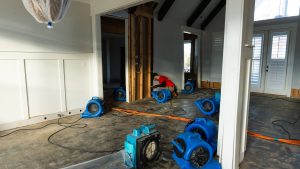
Take immediate action. If a pipe bursts, shut off the main water valve. Remove standing water quickly using pumps or wet vacuums. Dry the area with fans and dehumidifiers to prevent mold growth. Damaged materials like drywall or carpeting may need removal. For severe flooding or hidden water damage, professional restoration is essential to prevent structural issues.
Why Water Damage Restoration Is Essential in Meriden
Water damage affects more than surfaces. It can weaken structural elements, encourage mold growth, and damage electrical systems. Basements are particularly vulnerable due to groundwater pressure in Meriden. When water damage is not handled professionally, it can reappear later, causing higher costs and ongoing health concerns. Professional restoration ensures moisture is completely removed and repairs are done safely.
FAQs About Water Damage in Meriden Homes
Q1: Can burst pipes be prevented during Meriden winters?
Yes. Proper insulation, maintaining indoor temperatures, and allowing faucets to drip during extreme cold can reduce pressure buildup in pipes.
Q2: Does basement flooding only happen during storms?
No. It can occur from groundwater pressure, plumbing leaks, or failed sump pumps even on dry days.
Q3: How fast does mold grow after water damage?
Mold can begin forming within 24 to 48 hours in moist conditions.
Q4: Are older homes in Meriden more prone to water damage?
Yes. Older plumbing, aging roofs, and outdated drainage systems increase risk significantly.
Q5: Should I attempt DIY restoration after flooding?
Minor spills are manageable, but significant flooding or structural damage requires professional restoration for safety and thorough drying.
Conclusion
Understanding the causes of water damage in Meriden homes helps you take protective measures and respond quickly when issues arise. From burst pipes to storm-driven intrusion, these problems can escalate rapidly, especially given Meriden’s climate and aging infrastructure. If you ever need professional help with water damage restoration Meriden, Access Restoration provides trusted, reliable service to restore your home and prevent future damage.
For assistance or to schedule a service, reach out via contact us.