
Sewage backups are one of the most stressful and hazardous forms of property damage a homeowner can face. In Southington, aging sewer lines, heavy rainfall, clogged drains, and basement plumbing systems increase the risk of sewage water intrusion. Unlike clean water leaks, sewage exposure brings serious health concerns, structural risks, and contamination issues that demand immediate professional attention. This is where water damage restoration Southington services play a critical role in protecting both your home and your family.
Sewage water contains harmful bacteria, viruses, and toxins that can quickly spread through flooring, walls, furniture, and HVAC systems. If not restored correctly, the damage extends far beyond visible messes. Understanding how sewage water damage is restored helps homeowners act quickly, reduce long-term costs, and restore their property safely.
What makes sewage water damage more dangerous than other types of water damage?
Sewage water damage is classified as Category 3 water, which means it is highly contaminated. This type of water includes waste from toilets, sewer lines, and drain backups, making it unsafe to handle without protective equipment and specialized training.
Exposure can cause serious health issues, including gastrointestinal illness, skin infections, and respiratory problems. In Southington homes, sewage backups often affect basements, bathrooms, and laundry rooms, allowing contaminants to spread rapidly through porous materials.
Understanding the causes of sewage water damage in Southington homes
Sewage issues rarely happen without warning. Common causes include tree root intrusion into sewer lines, collapsed pipes, clogged municipal systems, and sump pump failures. Older homes are particularly vulnerable due to outdated plumbing infrastructure.
Heavy rainfall can overwhelm sewer systems, forcing wastewater back into homes. In some cases, grease buildup, improper disposal of household items, or frozen pipes contribute to sewage backups that require immediate intervention.
Why immediate sewage cleanup is critical
Delaying cleanup after a sewage incident allows bacteria and pathogens to multiply quickly. Contaminated water spreads into drywall, insulation, carpeting, and wood framing within hours.
The longer sewage sits, the more extensive the damage becomes. Structural materials weaken, odors intensify, and mold growth becomes more likely. Immediate response reduces contamination spread and limits restoration costs.
water damage restoration southington and sewage emergencies
Water damage restoration Southington professionals are trained to handle hazardous sewage situations safely and effectively. Restoration begins with identifying the source of the backup and stopping the flow of contaminated water.
Once the source is controlled, technicians isolate affected areas to prevent cross-contamination. This step is essential for protecting unaffected parts of the home and maintaining indoor air quality during cleanup.
Step-by-step sewage water damage restoration process
Initial inspection and safety assessment
The first step is a thorough inspection to assess contamination levels and affected areas. Restoration professionals determine which materials can be salvaged and which must be removed due to contamination.
Safety protocols are established immediately. Technicians wear personal protective equipment, and affected areas may be sealed off to prevent airborne contaminants from spreading.
Removal of contaminated water and waste
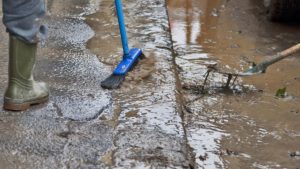
All standing sewage water and solid waste are carefully removed using specialized extraction equipment. This process prevents further absorption into building materials.
Unlike clean water extraction, sewage removal requires strict disposal procedures to comply with health and environmental regulations. Improper disposal can pose risks to both people and the environment.
Removal of unsalvageable materials
Porous materials exposed to sewage often cannot be cleaned safely. Carpets, padding, drywall, insulation, and some furnishings may need to be removed entirely.
This step is critical to prevent lingering bacteria and odors. Attempting to save contaminated materials increases the risk of future health problems and recurring damage.
Deep cleaning and disinfection
Once contaminated materials are removed, all remaining surfaces are thoroughly cleaned and disinfected. Antimicrobial treatments are applied to kill bacteria, viruses, and other pathogens.
This stage addresses both visible contamination and microscopic threats. Proper disinfection ensures the home is safe for occupants once restoration is complete.
Drying and moisture control
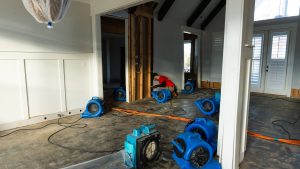
Even after sewage removal, moisture remains a concern. Industrial air movers and dehumidifiers are used to dry affected areas completely.
Moisture meters help technicians monitor progress and ensure no hidden dampness remains. Proper drying prevents secondary issues such as mold growth and material deterioration.
The role of contaminated water restoration Southington services
Sewage incidents require specialized contaminated water restoration Southington expertise. This involves understanding health regulations, contamination levels, and safe remediation practices.
Professionals follow strict protocols to ensure affected areas meet safety standards before reconstruction begins. This level of care protects homeowners from long-term health risks and structural problems.
How sewage damage affects different areas of the home
Basements are the most common areas affected by sewage backups in Southington. Concrete floors, foundation walls, and stored belongings often suffer extensive contamination.
Bathrooms and laundry rooms are also high-risk zones. Sewage water can travel through floor drains, toilets, and plumbing fixtures, spreading contamination into adjacent rooms if not contained quickly.
Odor control and air quality restoration
Sewage odors can linger long after visible damage is gone. Odor control is an essential part of restoration, involving specialized treatments and air filtration systems.
Air scrubbers remove airborne contaminants, while deodorization techniques neutralize unpleasant smells at the source. Restoring indoor air quality helps make the home livable again.
Mold prevention after sewage water damage
Sewage water creates ideal conditions for mold growth due to high moisture and organic matter. Mold can begin growing within days if drying and disinfection are incomplete.
Preventative measures include thorough drying, antimicrobial applications, and monitoring humidity levels. These steps reduce the risk of mold-related health issues and additional repair costs.
Why DIY sewage cleanup is not recommended
Attempting to clean sewage damage without professional help is dangerous. Household cleaners and equipment are not designed to eliminate harmful pathogens effectively.
DIY efforts often miss hidden contamination, leading to recurring odors and health risks. Professional restoration ensures all affected areas are addressed safely and completely.
Insurance considerations for sewage water damage
Insurance coverage for sewage damage varies depending on policy details. Some homeowners policies require additional endorsements for sewer backups.
Prompt documentation and professional assessments improve the chances of a successful claim. If you experience sewage damage, it is wise to contact us early to document damage properly and guide next steps.
Structural repairs after sewage cleanup
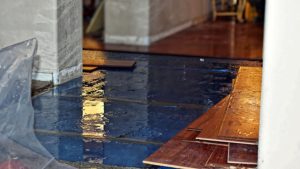
Once cleanup and drying are complete, reconstruction begins. This may include replacing drywall, flooring, insulation, and baseboards removed during remediation.
Professional restoration ensures repairs meet building codes and safety standards. Proper reconstruction restores both function and appearance while preventing future issues.
Preventing future sewage water damage in Southington
Preventative maintenance plays a major role in reducing sewage risks. Regular sewer line inspections can identify blockages or deterioration early.
Installing backwater valves, maintaining sump pumps, and avoiding improper disposal of grease or non-flushable items also helps protect your home from future incidents.
Long-term health and property risks of untreated sewage damage
Untreated sewage damage poses serious long-term risks. Bacteria and pathogens can remain hidden in materials, affecting indoor air quality and occupant health.
Structural damage may worsen over time, reducing property value and increasing repair costs. Professional restoration protects both immediate safety and long-term investment.
How professionals ensure homes are safe after restoration
Before completion, restoration teams conduct final inspections to confirm all contamination has been removed. Moisture levels are checked, and treated areas are tested for safety.
This final step provides peace of mind that the home is safe to reoccupy. Proper clearance ensures no hidden risks remain.
FAQs about sewage water damage restoration in Southington
How quickly should sewage water damage be addressed?
Sewage damage should be addressed immediately, ideally within hours, to reduce health risks and contamination spread.
Can sewage water damage be cleaned without removing materials?
In most cases, porous materials must be removed because they cannot be safely disinfected after sewage exposure.
Is sewage water damage covered by homeowners insurance?
Coverage depends on the policy and endorsements. Sewer backup coverage is often optional.
How long does sewage water damage restoration take?
The process can take several days to weeks depending on contamination extent and required repairs.
Is it safe to stay in the home during sewage cleanup?
In many cases, affected areas must be isolated, and temporary relocation may be recommended for safety.
Conclusion
Sewage water damage is one of the most complex and hazardous restoration challenges Southington homeowners can face. From contamination risks to structural damage and health concerns, proper restoration requires specialized training, equipment, and strict safety protocols. Acting quickly limits damage, reduces costs, and protects your family from long-term exposure risks.
Access Restoration provides professional water damage restoration Southington services designed to handle sewage cleanup safely and thoroughly. With the right expertise and rapid response, your home can be restored to a clean, safe, and healthy condition.