
Water damage can feel overwhelming, especially when it is not immediately clear how serious the situation is. In many Southington homes, water intrusion starts small, perhaps from a leaking pipe, appliance malfunction, or storm runoff, and gradually worsens over time. Homeowners often wonder whether simple cleanup is enough or if full water damage restoration Southington services are necessary. Making the right decision early can mean the difference between minor repairs and major structural work.
Understanding when full restoration is required helps protect your home, health, and long-term investment. Water damage is not always visible on the surface, and what seems like a manageable issue can hide deeper problems. This guide explains when full restoration is needed, how it differs from basic cleanup, and why professional assessment is essential for Southington homeowners.
How do you know when full water damage restoration is necessary in Southington?
Full water damage restoration is needed when water intrusion has affected more than just surface materials. If moisture has penetrated walls, floors, insulation, or structural components, simple drying or cleanup is no longer enough.
In Southington, factors such as basements, older plumbing systems, and seasonal weather increase the likelihood of hidden damage. A professional evaluation helps determine whether water damage cleanup vs restoration Southington homeowners face requires a more comprehensive approach.
Understanding the difference between water damage cleanup and full restoration
Water damage cleanup typically addresses visible water and surface-level moisture. This may include extracting standing water, drying exposed areas, and cleaning affected surfaces.
Full restoration goes much further. It involves identifying hidden moisture, removing damaged materials, drying structural components, treating affected areas to prevent mold, and rebuilding or repairing damaged sections. Knowing the difference helps homeowners avoid incomplete solutions.
Common situations that require full water damage restoration
Flooding from storms or groundwater intrusion
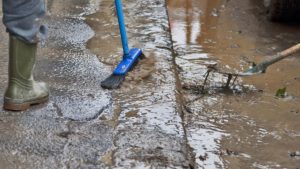
Heavy rain, snowmelt, or poor drainage can cause water to enter basements and lower levels. When water saturates walls, flooring, and foundations, full restoration is usually required.
Floodwater often carries contaminants that affect indoor air quality and material safety. Addressing these situations fully ensures the home is safe and structurally sound.
Burst or leaking pipes inside walls
Pipes that leak behind walls can go unnoticed for weeks or months. By the time visible signs appear, moisture may have spread extensively.
In these cases, drying the surface is not enough. Walls often need to be opened, damaged materials removed, and internal structures thoroughly dried and treated.
Appliance failures and long-term leaks
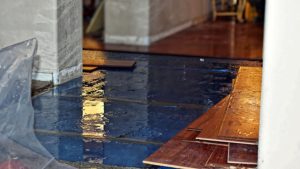
Dishwashers, washing machines, and water heaters are common sources of water damage. Slow leaks beneath appliances can rot subfloors and damage adjacent rooms.
Full restoration is needed when water has compromised flooring systems or migrated into nearby walls. Ignoring these issues often leads to higher repair costs later.
water damage restoration southington and structural risk assessment
water damage restoration southington
Water damage restoration Southington professionals assess the structural impact of water exposure. This includes checking framing, subfloors, and load-bearing components for moisture-related weakening.
Structural risk assessment determines whether materials can be dried and salvaged or must be replaced. This step is critical for ensuring long-term safety and preventing recurring damage.
Signs that basic cleanup is not enough
Persistent musty odors after drying are a common warning sign. Odors often indicate hidden moisture or microbial growth inside materials.
Other signs include warped flooring, peeling paint, soft drywall, or recurring humidity issues. When these symptoms appear, full restoration is usually necessary to address the root cause.
The role of moisture detection in determining restoration needs
Surface dryness can be misleading. Moisture often remains trapped inside walls and under floors even when surfaces appear dry.
Professionals use moisture meters and thermal imaging to locate hidden dampness. These tools help determine whether full restoration is needed to prevent long-term damage.
Mold risk and its connection to full restoration
Mold can begin growing within 24 to 48 hours of water exposure. If water damage is not thoroughly addressed, mold colonies may develop behind walls or under flooring.
Full restoration includes mold prevention measures such as controlled drying, antimicrobial treatments, and material replacement when necessary. This protects both property and occupant health.
Water categories and why they matter
Not all water damage is the same. Clean water from a supply line poses fewer risks initially, while gray or contaminated water increases restoration complexity.
Sewage backups or floodwater often require full restoration due to contamination concerns. Understanding water categories helps determine the appropriate response level.
How delayed action increases the need for full restoration
Delays allow water to spread and materials to deteriorate. What could have been a simple drying job may evolve into widespread structural damage.
In Southington, seasonal humidity accelerates damage progression. Acting quickly can sometimes prevent the need for full restoration, while delays almost guarantee it.
Health considerations that signal full restoration is required
Water damage affects indoor air quality. Mold spores, bacteria, and allergens can circulate through HVAC systems.
If occupants experience respiratory symptoms, headaches, or allergy-like reactions after water damage, full restoration is often needed to eliminate hidden contaminants.
Professional water restoration Southington services explained
Professional water restoration Southington services follow a comprehensive process. This begins with inspection and damage assessment, followed by water removal and drying.
Next, affected materials are cleaned, treated, or removed. Finally, repairs and reconstruction restore the home to its pre-damage condition.
Insurance considerations and restoration decisions
Insurance policies often distinguish between minor damage and extensive restoration needs. Accurate documentation helps support claims.
Professional assessments clarify the scope of damage and ensure restoration work aligns with policy requirements. This reduces disputes and unexpected out-of-pocket costs.
Basement-specific factors in Southington homes
Basements are particularly vulnerable to water damage due to groundwater pressure and drainage issues. Water often enters through foundation cracks or sump pump failures.
When moisture affects foundation walls, insulation, or framing, full restoration is necessary. This ensures long-term stability and prevents recurring issues.
Roof leaks and attic water damage
Roof leaks can allow water to enter attics, where insulation absorbs moisture. Over time, this leads to mold growth and wood rot.
Full restoration may involve insulation removal, drying of framing, and repairs to prevent future intrusion. Surface repairs alone are rarely sufficient.
Flooring damage and subfloor concerns
Flooring materials react differently to water, but all can suffer long-term damage. Hardwood may warp, laminate may swell, and carpet can trap moisture.
If subfloors are affected, full restoration is required. Drying and repairing only the surface will not address deeper structural issues.
Electrical systems and safety risks
Water exposure poses serious electrical hazards. Outlets, wiring, and breaker panels can be compromised by moisture.
Full restoration includes safety inspections and repairs to ensure electrical systems are secure. This step is essential for preventing fire risks.
Odor persistence as a sign of incomplete restoration
Lingering odors indicate remaining moisture or contamination. Air fresheners and surface cleaning do not resolve these issues.
Professional restoration addresses odor sources through material removal, cleaning, and air quality treatments. This ensures odors do not return.
When homeowners should seek professional evaluation
If you are unsure whether cleanup or full restoration is needed, professional evaluation is the safest choice. Experts can identify hidden damage early.
If concerns arise, it is wise to contact us for a professional assessment that clarifies the appropriate level of restoration.
Long-term cost implications of choosing cleanup over restoration
Choosing basic cleanup when full restoration is needed often leads to repeated repairs. Hidden damage continues to worsen over time.
Full restoration may cost more upfront, but it prevents recurring issues, mold remediation, and structural repairs later. This approach often saves money long-term.
Preventative steps to reduce future restoration needs
Routine maintenance helps reduce water damage risk. Regular inspections of plumbing, roofing, and drainage systems are essential.
Installing moisture detection devices and maintaining sump pumps also helps catch problems early. Prevention reduces the likelihood of needing full restoration.
How professionals determine restoration scope
Restoration scope is based on moisture mapping, material condition, and contamination level. Professionals evaluate each area carefully.
This thorough approach ensures no hidden damage is overlooked. Proper scope determination is key to successful restoration outcomes.
Rebuilding and reconstruction after full restoration
Once damaged materials are removed and drying is complete, reconstruction begins. This may include drywall replacement, flooring installation, and painting.
Professional restoration ensures repairs meet building standards and restore functionality. The goal is to return the home to a safe, comfortable condition.
FAQs about full water damage restoration in Southington
When is water damage considered severe enough for full restoration?
When water affects structural materials, insulation, or hidden areas, full restoration is usually required.
Can surface drying prevent mold growth?
Surface drying alone is often insufficient if moisture remains trapped inside materials.
How long does full restoration take?
Timelines vary but often range from several days to a few weeks depending on damage extent.
Is full restoration always covered by insurance?
Coverage depends on policy terms and cause of damage. Professional documentation helps support claims.
Should I stay in my home during full restoration?
In some cases, temporary relocation is recommended for safety and comfort.
Conclusion
Knowing when full water damage restoration is needed helps Southington homeowners make informed decisions that protect their homes and health. While minor water incidents may only require cleanup, deeper or hidden damage often demands a comprehensive restoration approach. Structural risks, mold potential, and long-term costs make professional evaluation essential.
Access Restoration provides trusted water damage restoration Southington services designed to assess damage accurately and restore homes safely and thoroughly. Acting early and choosing full restoration when needed ensures lasting protection and peace of mind.