
Discovering mold in your home is unsettling, but the good news is that professional removal can resolve the problem safely and completely. A little preparation on your part helps the remediation process go smoothly, allowing the crew to work efficiently and reducing the risk of spreading spores during the job. When you know what to do before the team arrives, you set the stage for a faster, more effective outcome.
Professional mold removal matters because mold is more than a cosmetic issue. It can damage your home and affect your health, and large infestations require specialized containment and equipment to handle correctly. Attempting to tackle a serious mold problem on your own often makes it worse.
Understanding what to expect, and how to prepare, gives you confidence going into the process. At Access Restoration, our IICRC certified team provides safe, thorough Mold Remediation for homeowners across Connecticut.
Schedule a Professional Mold Inspection First
1. Confirm the Source of Moisture
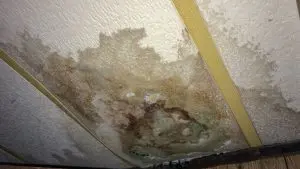
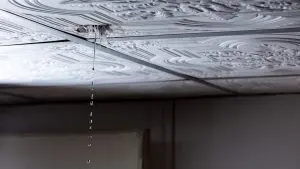
Mold cannot be solved without addressing the moisture that feeds it. A professional inspection identifies the water source, whether it is a leak, high humidity, or past water damage, so the underlying problem can be corrected. Without this step, mold will simply return after removal.
2. Assess the Extent of Mold Growth
An inspection reveals how far the mold has spread, including hidden growth behind walls or under floors. Understanding the full scope ensures the remediation plan addresses every affected area rather than just the visible patches.
3. Develop a Customized Remediation Plan
Every mold situation is unique, so the inspection results guide a customized plan. This plan outlines the containment, removal, and cleaning steps needed for your specific home, giving you a clear picture of how the work will proceed.
Steps Homeowners Should Take Before the Crew Arrives
1. Remove Personal Belongings
Clear personal items, furniture, and other belongings from the affected area when possible. This gives the crew room to work and protects your possessions from dust and disturbance during the process.
2. Protect Valuable Items
Move valuables, important documents, and sentimental items well away from the work zone. Sealing them in plastic bins adds an extra layer of protection against spores and cleaning agents.
3. Keep Children and Pets Away
Mold spores and the remediation process can pose health risks, so arrange for children and pets to stay in a different part of the home or elsewhere entirely during the work. This keeps them safe and lets the crew focus on the job.
4. Ensure Easy Access to Affected Areas
Clear pathways to the affected areas so technicians and their equipment can move freely. Removing obstacles in advance helps the team work more efficiently and shortens the time needed to complete the job.
What Not to Do Before Mold Removal
1. Avoid Disturbing Mold Colonies
It is tempting to wipe away visible mold, but disturbing a colony releases spores into the air and spreads contamination to other areas. Leave the mold undisturbed and let the professionals contain it properly.
2. Do Not Use Bleach as a Permanent Solution
Bleach may lighten the appearance of surface mold, but it does not address the roots or the moisture problem, and mold typically returns. Relying on bleach gives a false sense of resolution while the underlying issue persists.
3. Do Not Run Fans That Can Spread Spores
Running fans or your HVAC system in a mold affected area circulates spores throughout the home, spreading the problem to clean spaces. Avoid creating airflow that could carry contamination until professionals have set up containment.
4. Avoid DIY Removal of Large Infestations
Small surface mold may be manageable, but large infestations require professional containment, filtration, and protective equipment. Attempting to remove extensive mold yourself risks exposure and almost always leaves contamination behind.
What Happens During Professional Mold Removal?
1. Containment Setup
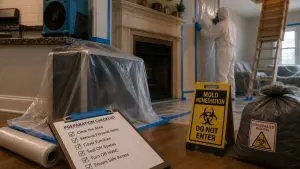
The first step is sealing off the work area with plastic sheeting and barriers. Containment prevents spores from escaping into the rest of the home while the mold is removed, which is essential for a safe and effective job.
2. Air Filtration
Technicians use HEPA air filtration and negative air pressure to capture airborne spores and keep them from spreading. This cleans the air during the process and protects the rest of the property.
3. Removal of Contaminated Materials
Porous materials that are heavily contaminated, such as drywall, insulation, and carpeting, often cannot be salvaged and are carefully removed. This eliminates the mold along with the material it has colonized.
4. Cleaning and Sanitizing
Remaining surfaces are cleaned and treated with antimicrobial solutions to remove residual mold and discourage regrowth. This thorough sanitizing restores a healthy environment in the affected space.
5. Moisture Control
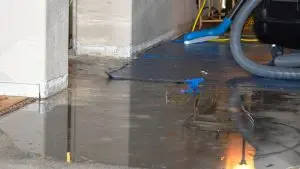
Because moisture causes mold, the team addresses the dampness that started the problem, drying the area completely and correcting the source. Proper moisture control is what keeps the mold from coming back.
After Mold Remediation: Keeping Mold From Returning
1. Fix Water Leaks Promptly
Mold needs moisture to grow, so repairing leaks quickly is the single best way to prevent its return. Address any plumbing, roof, or appliance leak the moment you notice it, and rely on professional Water Damage Restoration for larger issues.
2. Control Indoor Humidity
Keeping indoor humidity below 50 percent makes your home far less hospitable to mold. Dehumidifiers are especially helpful in basements and other naturally damp areas of Connecticut homes.
3. Improve Ventilation
Good airflow reduces moisture buildup. Use exhaust fans in bathrooms, kitchens, and laundry rooms, and ensure these spaces are well ventilated to keep humidity in check.
4. Schedule Routine Inspections
Periodic inspections catch moisture problems and early mold growth before they become serious. Staying proactive is the most reliable way to keep your home mold free over the long term.
Conclusion
Preparing your home for professional mold removal is straightforward, and it makes a real difference in how smoothly the process goes. By scheduling an inspection, clearing the area, protecting your belongings, and avoiding common mistakes like disturbing colonies or relying on bleach, you help the crew work safely and effectively.
Once the mold is gone, simple habits like fixing leaks, controlling humidity, and improving ventilation keep it from returning.
Frequently Asked Questions
How should I prepare before mold remediation?
Start with a professional inspection to confirm the moisture source and the extent of the growth. Before the crew arrives, remove personal belongings from the affected area, protect valuables, keep children and pets away, and clear easy access to the work zone. Avoid disturbing the mold, using bleach, or running fans that could spread spores.
Should I leave my home during mold removal?
It depends on the size and location of the infestation. For small jobs, you may be able to stay in unaffected areas of the home. For larger remediation projects, especially those involving extensive growth or sensitive individuals, staying elsewhere is often safer and more comfortable. Your remediation team will advise you based on the situation.
How long does mold remediation take?
The timeline varies with the size of the infestation and the materials involved. Smaller jobs may be completed in a day or two, while larger projects involving extensive removal and drying can take several days. A professional assessment provides a clear estimate for your specific situation.
Can mold come back after removal?
Mold can return if the underlying moisture problem is not resolved. That is why professional remediation addresses the source of moisture, not just the visible mold. After removal, fixing leaks promptly, controlling humidity, and improving ventilation are key to preventing regrowth.
Does homeowners insurance cover mold removal?
Coverage varies by policy. Many policies cover mold removal when it results from a sudden and accidental covered event, such as a burst pipe, while excluding mold caused by long term neglect or unresolved leaks. Documentation is important, and our team can help you coordinate with your insurance provider.
Contact Access Restoration for Professional Mold Removal
Mold is a problem best handled by professionals, and the sooner you act, the better the outcome for your home and your health. Access Restoration provides professional mold inspections, safe and thorough remediation, and moisture control for homeowners throughout Connecticut.
Our IICRC certified team contains the affected area, removes contaminated materials, sanitizes your home, and addresses the source of moisture to prevent regrowth, all while working with care and respect for your property. We also help with long term prevention so you can breathe easy. Protect your home and family today. Call Access Restoration or request a free estimate to schedule your mold inspection.