
A burst pipe, an overflowing washing machine, or a summer storm that backs up a Meriden basement can feel like a one time crisis. The water gets extracted, the carpet gets pulled up, fans run for a few days, and the property looks dry again. But drying the surface of a room is not the same as fully removing moisture from the materials underneath it, and that gap is exactly where mold gets its start.
For homeowners across Meriden, Connecticut, mold remediation after water damage is a distinct project from general, year round mold prevention. It focuses on what happens in the weeks and months after a specific water event, once moisture trapped inside walls, subfloors, or crawlspaces has had time to turn into an active mold problem.
This guide walks through the warning signs worth watching for, where mold tends to develop in central Connecticut homes, and what a professional mold remediation process actually involves, so you know when a past leak or flood needs more than a mop and a fan.
Why a Dried Out Leak or Flood Doesn’t Always Mean Your Home Is Mold Free
Mold does not need a flood to take hold. Guidance from the U.S. The Environmental Protection Agency notes that mold can begin colonizing damp building materials within roughly 24 to 48 hours of moisture exposure, which is faster than most homeowners assume drying takes.
Surface drying with fans and a dehumidifier addresses what you can see and touch, but materials like drywall, subflooring, wood framing, and insulation can hold moisture well below the surface long after a room looks and feels dry to the hand.
This matters even more in Meriden and the surrounding central Connecticut area, where summer humidity regularly pushes indoor moisture levels higher for weeks at a time. A basement or crawlspace that took on water in June may never fully release that moisture before July and August humidity adds to it again, giving mold an extended window to establish itself even after the original leak or flood has been cleaned up and the insurance claim closed.
Subtle Signs of Mold After Water Damage Homeowners Often Miss
Mold growth that develops after a past water event is not always easy to spot. In many Meriden homes, the early warning signs can look like ordinary household odors or minor cosmetic issues.
Knowing what to look for can help homeowners identify a potential mold problem before it spreads further. Some common signs include:
- Persistent Musty Odor: A persistent musty odor, especially in a basement, closet, or room that previously flooded, is often the first clue, even when nothing looks visibly wrong.
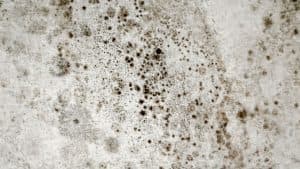
- Discoloration on Walls or Flooring: Gray, green, brown, or black patches on drywall, baseboards, or flooring can indicate that moisture reached materials that were never fully dried.
- Warping or Bubbling Materials: Warping, bubbling paint, or soft spots in flooring or trim that appear weeks or even months after the original water event can point to moisture that lingered inside the material rather than on top of it.
- Allergy-Like Symptoms: Congestion, coughing, or eye irritation that seems tied to a specific room and improves when someone leaves the house is also worth paying attention to, particularly if the symptoms started after a past leak or flood.
Where Mold Hides in Central Connecticut Homes After a Past Water Event
Meriden’s housing stock includes a large number of older homes, many with basements that have absorbed some form of past water intrusion, whether that was a single flood event or years of minor seasonal seepage. Because of that history, a thorough check after any water event should go beyond the room where the damage happened.
Behind walls near the original leak or flood line is a common hiding spot, since drywall and framing can trap moisture even after the visible surface dries. Under flooring, particularly around baseboards, subfloor seams, and the perimeter of a room that flooded, is another area that professional drying equipment reaches far more effectively than household fans.
Crawlspaces and basements deserve particular attention in Meriden, since older foundations and grading can allow groundwater or seasonal moisture to re enter even after a repair is made. HVAC systems can also spread mold spores through a home if ductwork or components were exposed to moisture during a flood, which is one reason a full assessment matters more than a quick visual check of the room where the damage was first noticed.
What to Do If You Spot Possible Mold Growth
If you notice any of the signs above, it is important to avoid actions that could make the problem worse. Two of the biggest mistakes homeowners make are disturbing suspected mold without protection and covering it up instead of addressing the underlying issue. Here is what to avoid and what to do instead:
- Avoid Disturbing Suspected Mold: Scrubbing, sanding, or otherwise disturbing suspected mold can release spores into the air and potentially spread contamination to areas of the home that were previously unaffected.
- Do Not Paint or Caulk Over Mold: Covering a stained or discolored area with paint or caulk does not eliminate the underlying problem. It may only hide the visible signs while moisture and mold remain underneath.
- Limit Airflow Around the Area: The safer approach is to limit airflow to the affected area and avoid actions that could spread particles throughout the home.
- Avoid Cleaning the Area Yourself: Do not touch, scrub, or attempt to clean suspected mold until the situation has been properly assessed, particularly if the affected area is connected to a previous flood or leak.
- Contact a Professional for an Assessment: A professional can evaluate the affected area and look for hidden moisture that may be contributing to mold growth. This is especially important when a past flood or leak was never professionally dried, since moisture may still be present nearby even when it is not visible.
The Professional Mold Remediation Process in Meriden, CT
Mold remediation after water damage is a structured process, not a single cleaning step. A qualified team works through several distinct stages to make sure the visible mold, the hidden mold, and the moisture source are all addressed together.
Inspection and Moisture Mapping
The process starts with an inspection that goes beyond what is visible on the surface. Technicians use moisture meters and other detection tools to map how far water traveled after the original event and where it is still present inside walls, flooring, or framing. This step is what separates mold remediation from a basic cleanup, since it identifies hidden pockets of moisture that would otherwise allow mold to return after the visible growth is removed.
Containment
Before any mold is disturbed, the work area is contained to prevent spores from spreading to unaffected parts of the home. Depending on the size of the affected area, this can include plastic sheeting barriers and negative air pressure set up to keep contaminated air from moving into hallways, living spaces, or HVAC systems while work is underway.
Air Scrubbers and HEPA Filtration
Air scrubbing equipment fitted with HEPA filtration runs throughout the remediation process to capture airborne mold spores and improve air quality in and around the work area. This equipment is particularly important once materials are removed, since that step temporarily releases more spores into the contained space.
Removal of Affected Materials
Porous materials that have absorbed mold, such as drywall, insulation, and in some cases flooring or subflooring, typically need to be removed rather than cleaned, since mold can grow into the structure of these materials and is difficult to fully eliminate once that happens. Non porous surfaces like framing lumber, concrete, or certain finishes can often be cleaned and treated instead of replaced, depending on the extent of contamination.
Addressing the Underlying Moisture Source
Removing mold without resolving the moisture source that allowed it to grow is a temporary fix at best. This step involves identifying and correcting the condition that caused the original water intrusion or that is keeping the area damp now, whether that is a plumbing issue, poor drainage, grading around the foundation, or ongoing humidity in a basement or crawlspace.
Post Remediation Verification
Once materials are removed and the area is cleaned, a final check confirms the space is ready to be closed up or rebuilt. This typically includes a visual inspection and moisture readings to confirm the area is dry before any new drywall, flooring, or finishes go back in, reducing the chance of the same problem recurring behind newly installed materials.
Documenting Mold Damage for Insurance Claims
Insurance coverage for mold remediation depends heavily on the specific policy and the cause of the water damage. Many homeowners policies limit or exclude coverage for mold related repairs, even when the original water damage itself was covered, so it is worth reviewing your policy language or asking your adjuster directly rather than assuming coverage either way.
Whatever your policy allows, documentation strengthens any claim. Photographing visible mold and any related damage before remediation begins, keeping a record of when the original water event occurred and how it was addressed at the time, and retaining any moisture readings or written assessments from a professional inspection all help support a claim and give your insurer a clear picture of what happened and when.
When to Contact Access Restoration & Cleaning for Mold Remediation in Meriden, CT
If your Meriden home has a history of water damage, whether from a recent leak or a flood from years ago, and you are noticing musty odors, discoloration, warping, or allergy like symptoms tied to a specific area, it is worth having the space professionally assessed rather than waiting to see if it gets worse.
Access Restoration & Cleaning provides mold remediation for homes throughout Meriden and the surrounding central Connecticut area, along with water mitigation, fire and reconstruction services, and biohazard cleanup, and is available 24/7 for situations that need an immediate response.
If you suspect mold following a past water event, reach out for an assessment so the moisture source and the mold itself can be addressed together, rather than treating the visible symptom on its own.
Frequently Asked Questions
How Long After Water Damage Can Mold Start Growing in a Meriden Home?
Mold can begin developing within roughly 24 to 48 hours of a surface staying damp, according to EPA guidance, which means a leak or flood that was not fully dried can lead to mold well before it becomes visible. In practice, homeowners often do not notice a problem until weeks or months later, once odor or discoloration finally shows up.
Does Homeowners Insurance Cover Mold Remediation After a Covered Water Damage Claim in Connecticut?
It depends entirely on the specific policy. Some policies include limited mold coverage when the underlying water damage was sudden and accidental and properly reported, while others cap or exclude mold related costs altogether. Reviewing your policy language or asking your insurer directly is the only reliable way to know what is covered.
Can I Stay in My Home During Mold Remediation After a Flood or Leak?
In many cases yes, especially when the affected area is contained and limited in size, such as a basement or single room. Larger jobs involving extensive contamination or air quality concerns may call for temporarily avoiding the work area, which a professional assessment can clarify based on the specific situation.
How Do I Know if Mold After Water Damage Is a Serious Type or a More Common Household Variety?
Visual appearance alone is not a reliable way to identify mold type, since color and texture can vary widely even within common household molds. Regardless of type, mold connected to a past water event should be professionally assessed and remediated, since the health and structural concerns come from ongoing exposure and moisture, not just which species is present.
What Is the Difference Between Mold Remediation and Water Damage Restoration?
Water damage restoration focuses on extracting water and drying a property immediately after a leak or flood. Mold remediation is a separate process that addresses mold growth that has already developed, often weeks or months after the original event, and includes containment, removal of affected materials, and resolving the moisture source so the mold does not return.