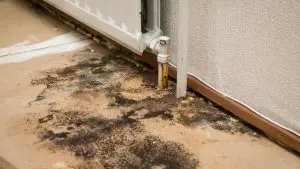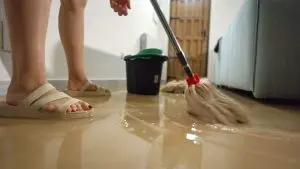

Finding mold in your home raises two worries at once: getting it removed and figuring out who pays for it. Mold coverage is one of the more confusing corners of a homeowner policy, and the answer often depends on why the mold appeared in the first place. Knowing how coverage works helps you avoid surprises when you file.
This guide explains insurance coverage for mold remediation in CT, when a claim is likely to be approved, what typically is not covered, and how to give your claim the best chance. Understanding the rules ahead of time makes it easier to act quickly and document what matters when mold shows up.
Does Homeowners Insurance Cover Mold Remediation?
Homeowners insurance may cover mold remediation when the mold results from a covered peril, but it often excludes mold from neglect or ongoing moisture. The deciding question is usually what caused the mold. If it grew from a sudden, covered event, coverage is more likely than if it developed slowly over time.
For example, mold that follows a burst pipe or another sudden water event tied to a covered claim often has a better chance of coverage. Mold from a long-ignored leak, high humidity, or deferred maintenance is frequently excluded. Because policies vary widely, your own policy language and your insurer are the reliable source for what applies.
When Is Mold Remediation Typically Covered?
Coverage usually hinges on whether the mold traces back to a sudden, accidental, and covered event. When that connection is clear and documented, a claim stands a better chance. Situations more likely to see coverage include the following.
- Mold resulting from a burst pipe or sudden plumbing failure
- Mold following water damage from putting out a house fire
- Mold from another sudden, covered water event addressed promptly
- Mold discovered and reported quickly rather than left to spread
The common thread is a sudden cause and a fast response. The clearer the link between the mold and a covered event, and the quicker you act, the stronger the claim tends to be.
When Is Mold Remediation Usually Not Covered?
Just as important is knowing when a mold claim is likely to be denied, so you are not caught off guard. Most exclusions come down to gradual damage or maintenance issues. Coverage is typically limited or excluded in these cases.
- Mold from a long-term or ignored leak that was left unaddressed
- Mold caused by ongoing high humidity or poor ventilation
- Mold tied to a lack of maintenance or delayed repairs
- Mold from outside flooding, which usually falls under separate flood insurance
Many policies also cap how much they will pay for mold, even when it is covered. Reviewing your policy limits and exclusions before you need them helps you understand what to expect.
How to Support a Mold Remediation Insurance Claim
How you handle the discovery of mold affects how smoothly a claim moves. Documenting the cause and acting quickly are the most important things within your control. These steps help support your claim.
1. Document the Mold and Its Source
Photograph the mold and, where possible, the water source or event that caused it. Linking the mold to a sudden, covered event is often central to coverage, so capture that connection clearly before any cleanup changes the scene.
2. Report the Claim Promptly
Contact your insurer as soon as you discover the mold and can connect it to a cause. Prompt reporting helps avoid disputes about whether delay allowed the mold to spread, which is a common reason claims are reduced or denied.
3. Address the Moisture Source Quickly
Stopping the water or moisture that fed the mold protects your home and shows the insurer you acted responsibly. Most policies expect reasonable steps to prevent further damage, and a fast response limits how far the mold spreads.
4. Keep Professional Documentation
A remediation provider can document the extent of the mold, the moisture source, and the work performed. Clear records support the claim, though the coverage decision itself rests with your insurance provider.
Why Fast Action Matters With Mold
Mold spreads quickly once it takes hold, and the delay that lets it grow is often the same delay that weakens a claim. Insurers pay close attention to whether a homeowner acted promptly, since mold from neglect is a common exclusion. Acting fast protects both your home and your coverage.
Beyond the claim, quick remediation limits how much of your home is affected and keeps the cost of removal lower. Mold remediation frequently connects with related work such as water damage restoration, since correcting the moisture source is what stops mold from returning after cleanup.
Frequently Asked Questions
Is Mold Ever Covered by Homeowners Insurance in CT?
Yes, in some cases. Mold is more likely to be covered when it results from a sudden, covered event like a burst pipe. Mold from gradual leaks, humidity, or neglect is often excluded. Coverage depends on the cause and your specific policy.
Why Was My Mold Claim Denied?
Most mold denials come down to the cause, often gradual damage, poor maintenance, or an excluded source. Denials can also result from delayed reporting or thin documentation. Reviewing the denial reason and your policy helps clarify whether more information could support a reconsideration.
Does Insurance Cover Mold From a Leak?
It depends on the leak. Mold from a sudden, accidental leak like a burst pipe is more likely to be covered, while mold from a slow leak left unaddressed is often excluded as gradual damage. The cause and timing are what matter most.
How Do I Prove the Cause of Mold to My Insurer?
Document the mold and the water source with photos, note when you discovered it, and report promptly. Linking the mold to a sudden, covered event is key. Professional documentation of the moisture source and damage also strengthens your case.
Should I Remove Mold Before Filing a Claim?
Document everything first, then take reasonable steps to prevent it from spreading. Avoid full remediation before your insurer has the chance to assess it, since photos and records of the original condition are often central to the claim.
Final Takeaways on Insurance Coverage for Mold Remediation in CT
Whether mold remediation is covered usually comes down to the cause and how quickly you acted. Mold from a sudden, covered event stands a better chance than mold from gradual leaks or neglect, and many policies cap mold payouts even when coverage applies. Documenting the source and reporting promptly are the strongest steps you can take.
If you have found mold in your Connecticut home, our team at Access Restoration & Cleaning can assess the growth, identify the moisture source, and document the damage and work to support your claim. Reaching out quickly helps limit the spread and gives you clear records when you file.