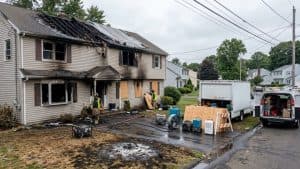

A small kitchen fire can look contained in minutes, but the smoke smell, soot streaks, and water from the extinguisher or fire hose often reach far past the room where it started. Fire damage restoration in Wallingford, CT addresses all of it, not just the burned material, but the smoke contamination and water damage that come with it.
Even a short fire can leave behind soot in ductwork, scorched finishes on walls, and moisture trapped behind drywall. Left alone, these issues lead to lingering odors, corrosion, and mold growth. This article walks through what the restoration process actually involves, what to do (and avoid) in the first hours after a fire, and when it makes sense to bring in a professional team.
What Happens During a House Fire
A house fire causes damage in three overlapping ways, and each one needs a different response.
- Flame and heat damage burns or warps materials directly exposed to fire, including framing, flooring, and finishes.
- Smoke and soot damage travels through the home on air currents, coating walls, ceilings, HVAC systems, and belongings far from the source.
- Water damage comes from the firefighting effort itself. Hoses and sprinkler systems can leave rooms saturated even where flames never reach.
Because smoke and water move independently of the fire, a room on the other side of the house can end up with real damage even though nothing in it burned.
The Fire Damage Restoration Process
Restoring a fire-damaged home in Wallingford generally follows a sequence, though the order and scope shift depending on how much of the structure was affected.
Inspection and Assessment
A technician walks the property to document the extent of fire, smoke, and water damage, checking areas that look untouched for hidden soot or moisture. This assessment shapes the restoration plan and gives homeowners a clearer picture of what’s ahead before any work starts.
Securing the Property
If the fire compromised windows, doors, or the roof, those openings get boarded up or tarped first. This step protects the property from weather and prevents further loss while the rest of the restoration is planned.
Water Removal and Drying
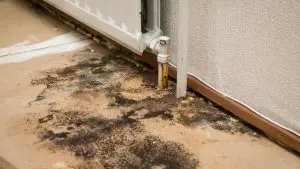
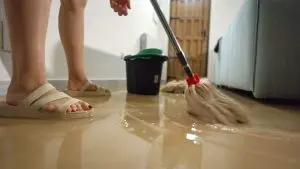
Any standing water from firefighting is extracted, and professional moisture-detection equipment identifies water that has soaked into walls, subfloors, or insulation. Air movers and dehumidifiers then dry the structure before moisture has a chance to cause secondary problems like warping or mold growth.
Soot and Smoke Removal
Soot is cleaned from surfaces using methods suited to the material, since scrubbing the wrong way can grind soot deeper into fabric or drive it into porous surfaces. Odor control, including air scrubbing and deodorizing treatments, addresses smoke particles that have settled into carpet, upholstery, and HVAC systems.
Cleaning and Deodorization
Salvageable belongings, from clothing to furniture, go through specialized cleaning to remove smoke residue and odor. Hard surfaces, cabinetry, and fixtures get cleaned and treated as well, since smoke can leave a film even on items that appear undamaged.
Reconstruction and Repairs
Once the property is clean and dry, the rebuilding phase addresses drywall, flooring, framing, roofing, and finish materials that were damaged beyond repair. Keeping restoration and reconstruction under one company creates continuity between the two phases, so the project moves from mitigation into repair without having to bring in a separate contractor and start over on documentation.
Why Smoke and Soot Damage Spreads Beyond the Fire Source
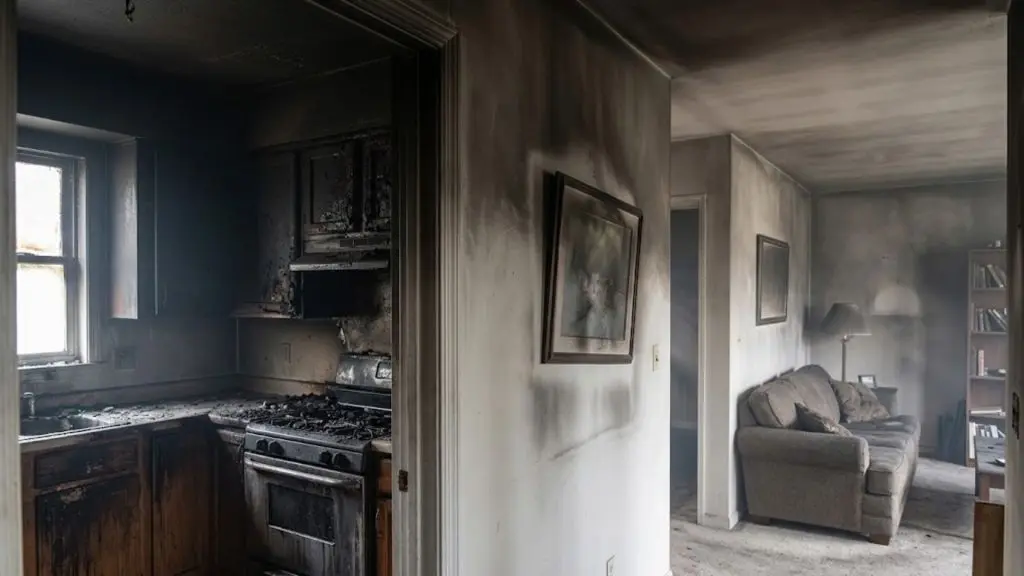
Smoke rises and follows air currents, pulling particles through hallways, HVAC returns, and gaps around doors. That is why a bedroom down the hall from a kitchen fire can still end up with a smoky odor and a thin film of soot on light fixtures and window sills. Acidic soot residue, left untreated, can also continue to discolor surfaces and corrode metal fixtures over time, which is part of why a full inspection matters even when visible damage looks limited to one room.
What to Do and Avoid After a Fire
The hours right after a fire matter. A few practical steps can limit further damage while a restoration plan comes together.
Do:
- Contact your insurance company as soon as it’s safe to do so.
- Open windows briefly if it’s safe, to help ventilate smoke odor.
- Photograph visible damage before anything is moved or cleaned.
- Keep receipts for any temporary lodging or emergency expenses.
Avoid:
- Attempting to wash soot off walls or fabric with household cleaners, which can set the stain or spread it further.
- Turning on the HVAC system before it’s been inspected, since this can circulate soot throughout the home.
- Eating food that was exposed to heat, smoke, or firefighting chemicals.
- Entering areas the fire department has flagged as structurally unsafe.
Insurance Considerations for Fire Damage Claims
Most homeowners’ insurance policies cover fire damage, including smoke and the water damage from extinguishing the fire, but coverage details vary by policy and carrier. Documenting damage thoroughly, including photos and a written inventory, supports the claims process.
It’s worth asking your adjuster directly what’s covered under your specific policy rather than assuming, since smoke damage to unaffected rooms and temporary housing costs are sometimes handled differently than the direct fire damage itself.
Why Wallingford Homeowners Choose a Single Restoration Team
Wallingford sits in New Haven County, and like the surrounding towns we serve, including Cheshire, Meriden, and Southington, it has its share of older homes alongside newer construction. Our technicians are IICRC-certified, and we approach every fire loss by addressing the source, spread, and effects of the damage rather than treating it as a surface-level cleanup.
Since we handle both restoration and reconstruction, a Wallingford homeowner isn’t left coordinating between a mitigation company and a separate contractor to get the home back together. If water damage from the firefighting effort leads to mold growth before it’s fully dried, our team can also step in for mold remediation as part of the same project.
Frequently Asked Questions
How Long Does Fire Damage Restoration Take?
Timelines vary widely based on the extent of the damage, from a few days for a small, contained fire to several weeks when reconstruction is needed. A full assessment early on gives a more accurate estimate for your specific situation.
Can Smoke Smell Be Completely Removed From a Home?
In most cases, yes, with proper cleaning and deodorization. Smoke odor clings to porous materials like drywall, insulation, and fabric, so thorough cleaning, sealing, and sometimes replacement of heavily affected materials is usually needed to fully eliminate it.
Should I Stay in My Home After a Fire?
That depends on the extent of the damage and what the fire department or an inspector advises. Homes with structural damage, significant smoke contamination, or no working utilities are often not safe to occupy until repairs are underway.
Will My Insurance Cover Fire Damage Restoration?
Most homeowners’ policies cover fire damage, including related smoke and water damage, though coverage specifics depend on your policy. Confirming details with your insurance adjuster before work begins helps avoid surprises later.
What's the Difference Between Fire Damage Restoration and Reconstruction?
Restoration addresses cleanup, drying, and salvaging what can be saved; reconstruction rebuilds what can’t. Having one company handle both means the project moves from cleanup into repairs without a gap in communication or documentation.
Do I Need to Throw Away Everything That Was Near the Fire?
Not necessarily. Many items can be cleaned and restored rather than replaced. Soft goods, electronics, and documents each need different treatment methods, and a restoration technician can tell you what’s salvageable versus what isn’t.
Final Thoughts on Fire Damage Restoration in Wallingford, CT
Fire damage restoration is about more than cleaning up what burned. Smoke travels, water pools in places you can’t see, and both can cause lasting problems if they’re not addressed quickly and thoroughly. Acting fast on water removal and avoiding DIY cleaning of soot-covered surfaces are two of the simplest ways to protect what’s salvageable.
If a fire has damaged your Wallingford home, our team at Access Restoration & Cleaning handles the full process, from the first inspection through drying, cleaning, and reconstruction, so you aren’t managing multiple contractors during an already stressful time. Call us to get a restoration plan started.